
First pillar · Medical care
Know the medical context.
Know why the pattern is part of your plan, continue prescribed treatment, and ask whether kidney disease, diabetes, heart failure, pregnancy, or medicines require a tailored approach.
Academy · Lifestyle Medicine · Nutrition
A flexible way of eating built around plants, olive oil, and ordinary meals.
The Mediterranean diet is not one menu or one country’s cuisine. It is a pattern that makes vegetables, fruit, beans, whole grains, nuts, olive oil, and fish the foundation—and keeps red meat and highly processed foods less frequent.
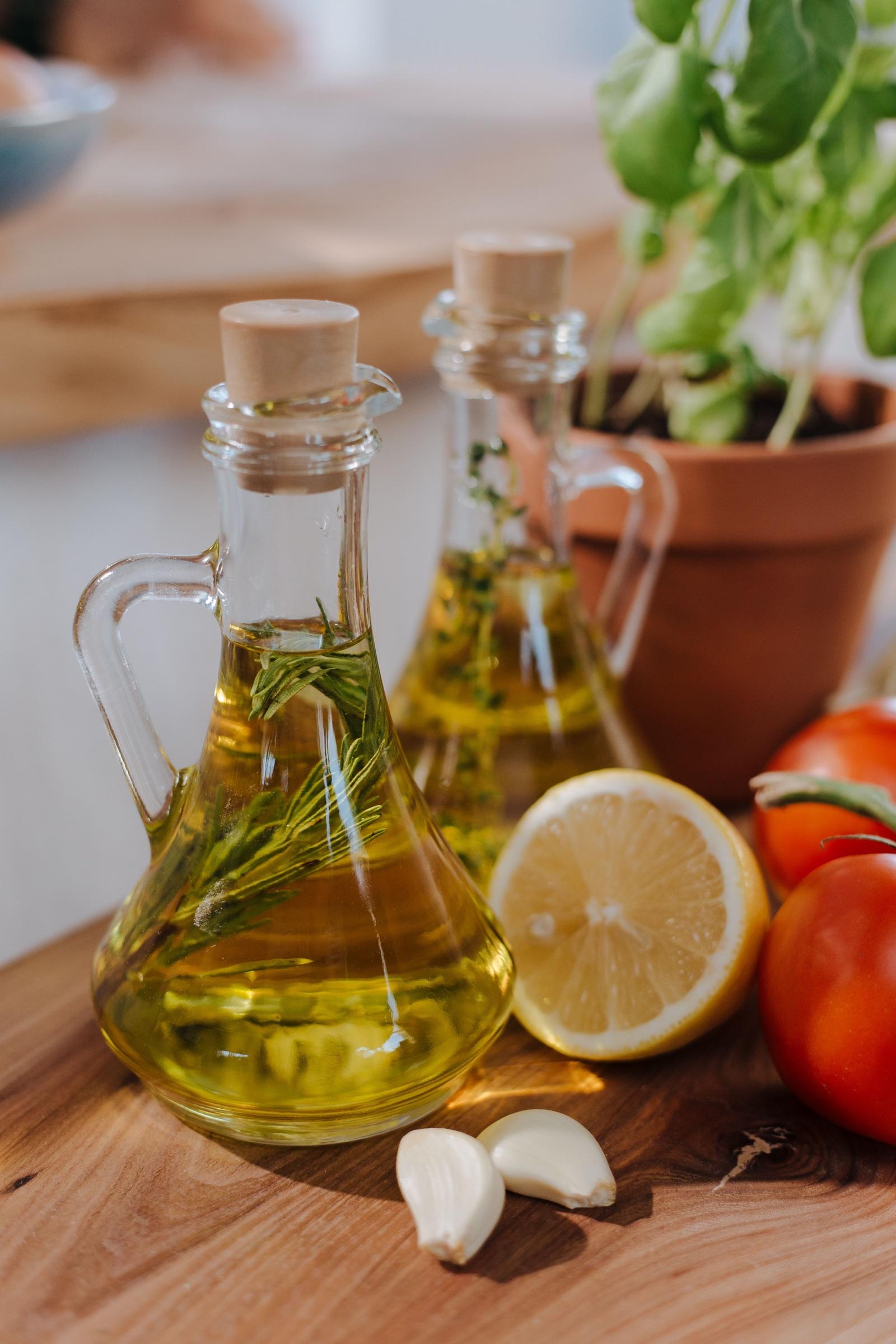
Olive oil is one part of the Mediterranean pattern. The larger idea is what fills the whole table—and what those foods replace.
Start here · Seven useful answers
First pillar · Medical care
Know why the pattern is part of your plan, continue prescribed treatment, and ask whether kidney disease, diabetes, heart failure, pregnancy, or medicines require a tailored approach.
Second pillar · Lifestyle care
Turn the evidence into meals, substitutions, shopping choices, and shared routines that fit your culture and household. The pattern should be livable, not perfect.
What it is
Traditional versions grew from several Mediterranean regions, but the defining idea is the composition of the diet rather than one cuisine or recipe collection.
The central idea
Build most meals from minimally processed plants, use olive oil as the main added fat, and include fish regularly.
Flexible
Many cultures and food traditions can use the same overall structure.
Not one food
Olive oil, pasta, or wine alone does not create the pattern or its benefits.
No. Traditional descriptions sometimes include modest wine with meals, but alcohol is not required and its role remains controversial. If you do not drink, do not start for health reasons.
What can it do?
Clinical trials support several important benefits. Other popular claims still rely mainly on observational research.
Strong randomized evidence
In adults at high cardiovascular risk, Mediterranean interventions in PREDIMED reduced the combined risk of heart attack, stroke, or cardiovascular death by about 30% compared with low-fat advice. Stroke accounted for much of the difference.
Randomized evidence
Trials support a lower chance of developing type 2 diabetes in higher-risk adults and a modest average improvement in blood sugar among people who already have diabetes.
Probable, but variable
Blood pressure may improve modestly. Triglycerides and HDL may improve in some studies, but LDL results are inconsistent. The pattern does not replace a statin when one is indicated.
Depends on the full plan
The unrestricted pattern is not automatically a weight-loss diet. Greater weight loss occurred when it was paired with calorie reduction and physical activity.
People who follow the pattern more closely have lower rates of several of these outcomes in observational studies. Those studies cannot prove the diet caused the difference. Cancer, dementia, and longevity benefits should not be promised.
Much of the event evidence comes from older, higher-risk Mediterranean adults, especially in Spain. PREDIMED also had allocation problems at some sites and was corrected and republished; the corrected analyses preserved its main conclusion. Results may not transfer equally to every population.
What do I eat?
The frequencies below reflect trial and traditional-pattern guidance. They are useful reference points, not a universal prescription.
A wide variety, with fruit often used in place of dessert.
Most meals
Oats, whole-grain bread or pasta, brown rice, and other minimally refined grains.
Most meals
Chickpeas, lentils, white beans, black beans, and other legumes.
At least 3 times/week
The main added fat for cooking and dressing food.
Regularly
Walnuts, almonds, hazelnuts, seeds, and other unsalted choices.
About daily
Including oily fish such as sardines or salmon.
At least 3 times/week
Moderate yogurt, cheese, poultry, and eggs, with less red and processed meat.
Moderate amounts
Part of the pattern
Red and processed meat, sweets, sugary drinks, pastries, fried snacks, butter, cream, and highly processed foods.
Primary beverage
Water is the usual drink. Traditional wine does not need to be added, and nondrinkers should not start.
No. Research protocols used targets such as vegetables at least twice daily, legumes and fish at least three times weekly, and nuts about daily. Energy needs, health conditions, culture, access, and preference can change the details.
Build a plate
This is a practical visual—not a strict prescription or required menu.
About half
Vegetables and fruit
Make plants the largest visual part of the meal.
About one quarter
Whole grains or legumes
About one quarter
Fish, poultry, legumes, eggs, or modest dairy
Use olive oil as the added fat, choose water, and reach for fruit or nuts for snacks or dessert.
One possible day
Breakfast: plain yogurt with walnuts, berries, and oats.
Lunch: lentil-and-vegetable salad with olive oil and lemon, whole-grain bread, and fruit.
Snack: unsalted nuts or fresh fruit.
Dinner: baked fish, roasted vegetables, a whole grain, and fruit.
Make useful swaps
Adding olive oil or nuts without changing the rest of the pattern misses the larger idea.
Butter or margarine
Extra-virgin olive oil
Frequent red or processed meat
Fish, poultry, beans, or lentils
White bread or refined grains
Whole or minimally refined grains
Sugary drinks
Water
Sweets or pastries
Fruit or nuts more often
Highly processed snacks
Fruit, nuts, olives, or another minimally processed option
Olive oil is energy dense. Use it to replace other fats within the pattern rather than treating it as unlimited.
Shop, cook & eat out
Build a flexible base
Keep methods simple
Look for the pattern
“Mediterranean-style” on a package does not guarantee that the food fits the pattern.
Look at the full ingredient list and notice sodium, added sugar, saturated fat, and how highly processed the food is.
How do I start?
A gradual sequence can build the pattern without turning your kitchen upside down.
Start this week
0 selected
Keep cultural foods and shared meals. The structure matters more than whether the dish comes from a Mediterranean cookbook.
Make it yours
Use familiar foods to preserve the core pattern instead of buying specialty products or copying one regional menu.
Beans with corn tortillas, lentil dals, vegetable-and-fish meals, tofu dishes, and many other cultural foods can use the same structure.
Beans, lentils, soy, nuts, and seeds can replace fish or poultry. Vitamin B12, iron, omega-3 fats, and protein may need attention.
Seeds and legumes can replace nuts; legumes can replace fish as a protein source; naturally gluten-free grains and lactose-free options can be used when needed.
Frozen produce, canned beans or fish, dried lentils, seasonal foods, and batch cooking can help. Imported specialty foods are not required.
Safety & limits
Most people can use the pattern flexibly, but a major change may need tailoring.
Get individual guidance
Talk with a clinician or registered dietitian when your health, medicines, pregnancy, or food restrictions may change what is appropriate.
01
Potassium, phosphorus, protein, sodium, or fluid may need to be individualized.
02
Changes in carbohydrate intake or weight can cause low blood sugar with insulin or sulfonylureas.
03
Fish selection, nutrients, allergens, gluten, fiber, or fermentable carbohydrates may require a tailored plan.
04
Keep vitamin K intake consistent with warfarin, and avoid restrictive framing when an eating disorder is present.
The Mediterranean diet supports medical care. It does not replace indicated treatment.
Do not expect it alone to guarantee weight loss, lower LDL as much as a statin, prevent cancer or dementia, or replace prescribed medicine.
Connected Academy topics
References & review
This family guide was last reviewed September 19, 2026. It is educational and does not replace individualized clinical care.
Evidence reviewed includes guidance from PREDIMED, CORDIOPREV, PREDIMED-Plus, systematic reviews, and represented guidance from the AHA, ADA, EASD, KDIGO, and Italian scientific societies. Where recommendations differ, those differences are identified explicitly.