
First pillar · Medical care
Know the medical context.
Know why DASH is part of your plan, keep taking prescribed medicine, and ask whether kidney disease, diabetes, pregnancy, or medicines that affect potassium or sodium change what is safe for you.
Academy · Lifestyle Medicine · Nutrition
A practical way to eat for healthier blood pressure.
DASH is not a special product or a short-term cleanse. It is a flexible pattern built from vegetables, fruit, whole grains, beans, nuts, low-fat dairy, fish, poultry, and less sodium.
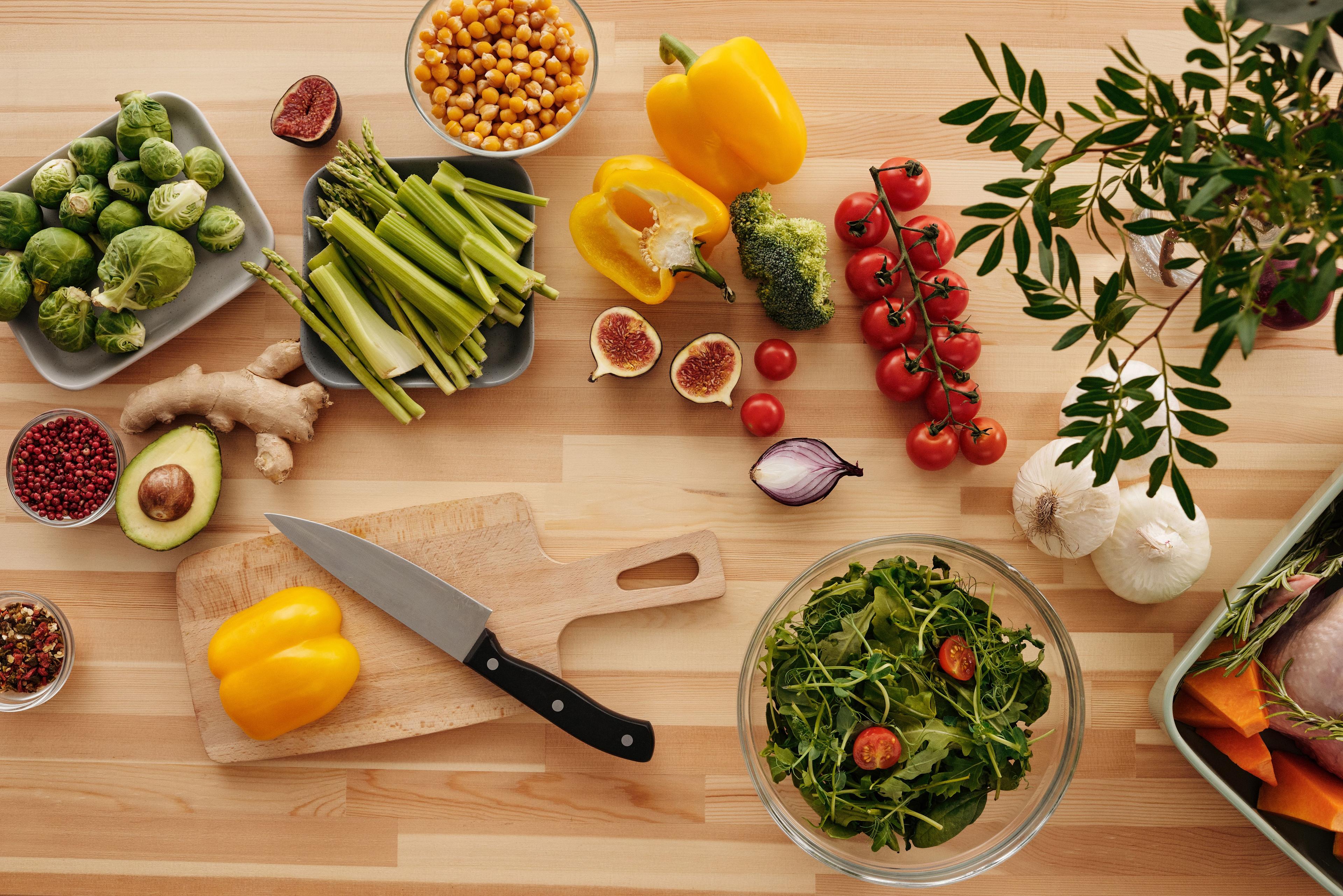
DASH is built from flexible food groups and many possible ingredients—not one required shopping list or menu.
Start here · Six useful answers
First pillar · Medical care
Know why DASH is part of your plan, keep taking prescribed medicine, and ask whether kidney disease, diabetes, pregnancy, or medicines that affect potassium or sodium change what is safe for you.
Second pillar · Lifestyle care
Turn the evidence into ordinary meals, shopping choices, restaurant decisions, and changes small enough to repeat. The pattern works as a whole; perfection is not required.
What it is
DASH stands for Dietary Approaches to Stop Hypertension. It was created and tested to learn whether a nutrient-rich eating pattern could lower blood pressure.
The central idea
More plants and minimally processed foods. Less sodium, saturated fat, red meat, and added sugar.
About 5.5 / 3
Average drop in the top / bottom blood-pressure numbers versus a control diet in the original 8-week trial.
Results vary
People who begin with higher blood pressure may see a larger change. DASH supports care; it does not replace medicine.
Blood-pressure reduction has the strongest and most consistent evidence. DASH may also improve some cholesterol and triglyceride measures, but randomized trials have not established that DASH itself prevents heart attacks, strokes, or death. Observational links are not proof of cause and effect.
What do I eat?
These targets describe an approximately 2,000-calorie DASH pattern. Your energy needs may differ, so treat the numbers as a reference—not a universal prescription.
Whole-grain bread or pasta, brown rice, oats, and other whole grains.
6–8 servings/day
Leafy greens, cut vegetables, or vegetable juice.
4–5 servings/day
Whole fruit or fresh, frozen, canned, dried, or juiced fruit.
4–5 servings/day
Fat-free or low-fat milk, plain yogurt, or low-fat cheese.
2–3 servings/day
Fish, skinless poultry, beans, lentils, tofu, and eggs, with less red meat.
Keep portions modest
Unsalted nuts, nut butter, seeds, beans, and lentils.
4–5 servings/week
Small amounts of oils such as olive, canola, corn, or safflower oil.
2–3 servings/day
Part of the pattern
Red and processed meat, foods high in saturated or trans fat, sugary drinks, desserts, salty snacks, and other high-sodium processed foods.
A useful reference
The supplied 2,000-calorie pattern limits sweets and added sugars to five or fewer servings each week.
Whole grains: 1 slice bread, 1 ounce dry cereal, or ½ cup cooked rice or pasta.
Vegetables: 1 cup leafy greens or ½ cup cut vegetables or vegetable juice.
Fruit: 1 medium fruit, ¼ cup dried fruit, or ½ cup fresh, frozen, canned, or juiced fruit.
Dairy: 1 cup milk or yogurt, or 1½ ounces low-fat cheese.
Lean protein: 1 ounce cooked lean meat, poultry, or fish, or 1 egg.
Nuts and legumes: ⅓ cup nuts, 2 tablespoons nut butter or seeds, or ½ cup cooked legumes.
A possible meal
This is one possible DASH-aligned meal—not a fixed menu or exact serving plan. Use the pattern with foods that fit your life.
Build the plate from the pattern
Pair vegetables or fruit with a whole grain and a lean protein such as beans, lentils, fish, poultry, tofu, or eggs. Add low-fat dairy when it fits your needs, and use herbs, spices, citrus, or garlic for flavor.
The exact foods can change with your culture, preferences, access, and household. DASH is the overall pattern—not one required meal.
Make useful swaps
These replacements move an ordinary meal toward DASH without requiring specialty products.
White bread or white rice
Whole-grain bread, brown rice, or quinoa
Salty chips or crackers
Unsalted nuts, fresh fruit, or raw vegetables
Whole milk or full-fat cheese
Fat-free or low-fat milk, yogurt, or cheese
Frequent red or processed meat
Fish, skinless poultry, beans, or lentils
Sugary drinks and desserts
Water, unsweetened drinks, and whole fruit
Butter or tropical oils
Olive or canola oil in moderation
Salt as the main seasoning
Herbs, spices, citrus, garlic, or salt-free blends
Lower sodium
Packaged, processed, and restaurant foods usually contribute more sodium than the salt shaker. Comparing similar products can reveal a large difference.
On the Nutrition Facts label
Sodium
140 mg or less
per serving meets the supplied definition of “low sodium.”
Check the serving size, then compare the sodium number between similar products.
01
Choose the lower-sodium option when comparing foods you would otherwise buy.
02
Rinse canned beans and vegetables, or choose products marked “no salt added.”
03
Use herbs, spices, garlic, citrus, and vinegar in place of some salt.
04
Cured meats, salty snacks, canned soups, sauces, condiments, and restaurant meals can carry substantial sodium.
Two common versions
Standard DASH: no more than 2,300 mg sodium each day.
Lower-sodium DASH: no more than 1,500 mg each day and a greater blood-pressure effect.
Shop & eat out
Build a useful base
Keep the decision simple
How do I start?
Small changes can build toward the pattern. Choose the next step that fits your food, time, budget, and household.
Start this week
0 selected
Physical activity and modest weight loss, when appropriate, can add to DASH's blood-pressure effect. They are related parts of care, not requirements for making your first food change worthwhile.
Make it yours
The structure can be adapted to culture, dietary preference, access, and household routines while keeping its central emphasis.
Use the vegetables, fruit, whole grains, legumes, fish, and lean proteins already present in your food traditions, while lowering sodium where possible.
Beans, lentils, tofu, nuts, and seeds can replace animal proteins within a DASH-style pattern.
Lactose-free dairy or fortified plant alternatives may help meet calcium needs when low-fat dairy is difficult.
Frozen produce without added salt or sugar, dried or no-salt-added beans, plain oats, and bulk staples can help—but time, cost, and food access remain real barriers.
Research has also tested DASH-style patterns with more plant protein or unsaturated fat. These variations lowered blood pressure slightly more and also improved cholesterol in the cited evidence. A registered dietitian can help adapt the pattern without losing its core structure.
Safety & limits
The pattern is naturally high in potassium. That can be helpful for many people and unsafe for some.
Get individual guidance
Talk with a clinician or registered dietitian before a major change when your health or medicines may change what is safe.
01
Kidney disease, diabetes, heart disease, or a sodium- or fluid-restricted plan may require an individualized version.
02
Blood-pressure medicines, potassium-sparing diuretics, and potassium supplements may affect what is safe.
03
Pregnancy, breastfeeding, food allergies, lactose intolerance, and other dietary restrictions may change the plan.
DASH supports medical care. Do not stop or reduce prescribed blood-pressure medicine on your own.
The strongest proven benefit is lower blood pressure. Long-term effects on heart attacks, strokes, and death have not been established in randomized DASH trials.
References & review
This family guide was last reviewed September 15, 2026. It is educational and does not replace individualized clinical care.
Evidence reviewed includes guidance from major adult blood-pressure guidance, a 2025 Cochrane review, American Heart Association scientific statements, and the National Heart, Lung, and Blood Institute. Where recommendations differ, those differences are identified explicitly.