
First pillar
Medical care
Understand the full lipid panel and overall cardiovascular risk, look for inherited or medical causes, use medicine when it is needed, and follow the response over time.
Academy · Conditions
Understand your blood fats—and what you can do about them.
Start with the questions that matter: what the numbers mean, why they may be high, what medical care may involve, and how food and daily life can help lower long-term risk.

Start here · Six useful answers
First pillar
Understand the full lipid panel and overall cardiovascular risk, look for inherited or medical causes, use medicine when it is needed, and follow the response over time.
Second pillar
Build a realistic plan for fats, fiber, added sugars, movement, sleep, stress, connection, tobacco, and alcohol. These actions remain part of care when medicine is used.
What it is
These fats are called lipids. Cholesterol and triglycerides are different, so a person may have high LDL cholesterol, high triglycerides, or both. The broader term dyslipidemia also includes an unhealthy low HDL level.
The important part
Most people feel no symptoms. A blood test called a lipid panel is how it is found.
About 1 in 4
U.S. adults have LDL cholesterol at or above 130 mg/dL.
More than 100 million
Americans have elevated total cholesterol.
What do my results mean?
The results are interpreted together with age, family history, diabetes, kidney disease, smoking, blood pressure, known artery disease, and other factors that shape risk.
Carries most cholesterol in the blood. Higher levels over more years increase the chance that cholesterol-containing particles enter artery walls.
A main treatment target
Travel in several lipoprotein particles. High levels add cardiovascular risk; very high levels can raise the risk of pancreatitis.
Different risk at very high levels
Helps carry cholesterol from tissues back toward the liver. A low HDL level is part of an unhealthy lipid pattern.
Read with the full panel
Total cholesterol minus HDL cholesterol. It captures all of the cholesterol carried in particles that can contribute to plaque.
Useful when triglycerides are high
Needs closer evaluation
This is very high and should prompt evaluation for familial hypercholesterolemia, an inherited form of high cholesterol.
Severe range
This is severe hypertriglyceridemia. The treatment plan must address both the triglyceride level and its cause.
Pancreatitis risk
This level is linked to sudden inflammation of the pancreas and requires a much more restrictive, supervised plan.
Not always. A nonfasting lipid panel is acceptable for most screening. A fasting test is preferred when triglycerides need a closer look, when they are above 400 mg/dL, or for a fasting starting measurement.
Why it happens
Hyperlipidemia is often multifactorial. The goal is to understand what is contributing—not to reduce the condition to one food or one behavior.
Family history, familial hypercholesterolemia, other genetic lipid disorders, and lipoprotein(a) can strongly affect risk.
Diabetes, insulin resistance, obesity, metabolic syndrome, low thyroid function, kidney disease, and liver disease can affect lipids.
Steroids, thiazides, some beta-blockers, oral estrogen, selected psychiatric, HIV, acne, and transplant medicines can change the pattern.
Saturated and trans fats, processed carbohydrates, added sugars, inactivity, tobacco, and excess alcohol can contribute.
Familial hypercholesterolemia should be considered with an LDL of 190 mg/dL or higher in an adult, very high cholesterol at a young age, cholesterol deposits over tendons, or a family history of very high LDL or early heart and blood-vessel disease.
Why it matters
LDL-containing particles can enter artery walls, trigger inflammation, and contribute to plaque. Risk rises with both the level and the length of time it stays high.

Plaque can narrow or suddenly block heart arteries, leading to chest pain or a heart attack.

Plaque and blood clots can interrupt blood flow to the brain and cause an ischemic stroke.
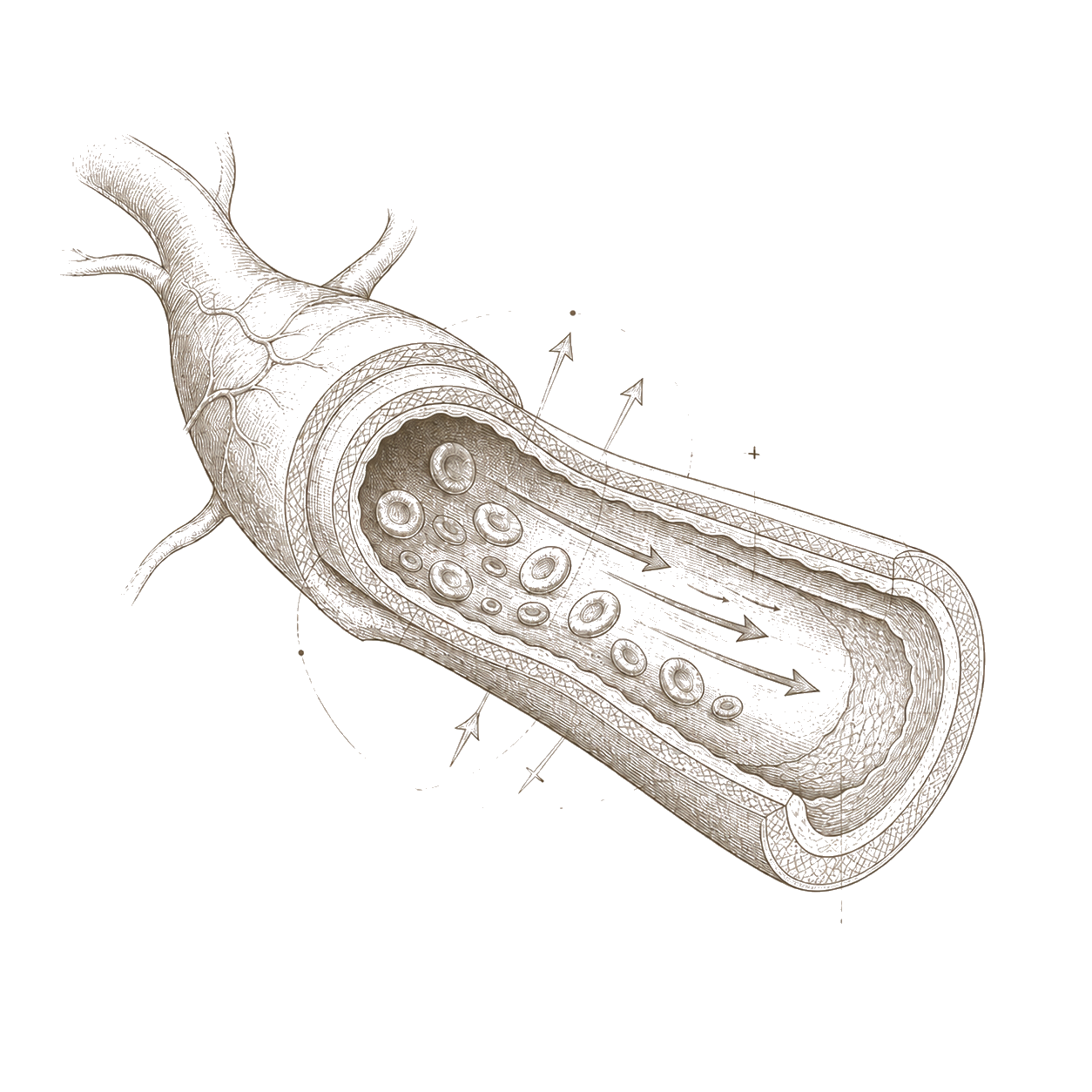
Plaque can reduce blood flow in the legs, neck arteries, and other blood vessels.

Triglycerides at or above 1,000 mg/dL are linked to acute pancreatitis.
First pillar · Medical care
The same LDL number can lead to different decisions because treatment also depends on lifetime exposure, cardiovascular risk, family history, other conditions, and prior events.
01
Start with a lipid panel and repeat or fast when triglycerides need a clearer assessment.
02
Review family history, medicines, food, movement, tobacco, alcohol, diabetes, thyroid, kidney, liver, and other possible causes.
03
Estimate short- and long-term cardiovascular risk and consider risk enhancers. Lipoprotein(a) is recommended at least once in adulthood.
04
Use lifestyle care for everyone and add lipid-lowering medicine when the lipid level, risk, or health history supports it.
05
Repeat the lipid panel, review side effects and barriers, and adjust the plan until the intended reduction and goal are reached.
Lowering LDL
Statins are the first-choice medicines for lowering LDL. They reduce cholesterol production in the liver and help the liver remove more LDL from the blood. Common examples include atorvastatin, rosuvastatin, simvastatin, and pravastatin.
Muscle aches are the most common concern. New diabetes is a dose-related risk. Liver injury is rare, and severe muscle injury is very rare. Liver tests are checked at baseline; muscle testing is used when symptoms suggest it is needed.
Important health histories
Statin treatment is specifically indicated for adults ages 40–75 with diabetes, people with stage 3 or 4 chronic kidney disease, people with HIV, and adults with LDL at or above 190 mg/dL.
Depending on the lipid pattern and risk, options can include ezetimibe, PCSK9-targeting medicines, inclisiran, bempedoic acid, bile acid sequestrants, or selected triglyceride-lowering medicines. These treatments work differently and are not interchangeable.
When the decision about lipid-lowering medicine remains uncertain, a coronary artery calcium scan may help refine risk in men age 40 or older and women age 45 or older. It is not routine for every person with an abnormal lipid panel.
Most people should stop statins 1–2 months before trying to become pregnant or as soon as pregnancy is discovered. Selected people with familial hypercholesterolemia or known cardiovascular disease may have an individualized benefit-risk discussion instead.
Second pillar · Lifestyle care
Food changes for LDL are not identical to the most urgent steps for very high triglycerides. Start with the pattern shown on your lipid panel and build a plan you can sustain.
01
A Mediterranean pattern centers fruits, vegetables, whole grains, beans, nuts, olive oil, and fish. DASH, vegetarian, vegan, and Portfolio-style patterns can also improve blood fats.
02
Replace saturated fats from red meat, butter, high-fat dairy, coconut oil, and palm oil with unsaturated fats from olive oil, avocado, nuts, fish, flax or chia seeds, and unsaturated plant oils.
03
Oats and other soluble fiber, nuts, and plant proteins can help lower LDL. The Portfolio pattern combines nuts, soy protein, viscous fiber, and plant sterols.
04
Limit added sugars and processed carbohydrates, choose lower-glycemic vegetables and fruits, and include fatty fish at least twice a week. Alcohol should be eliminated when triglycerides are high.
05
Work toward at least 150 minutes of moderate aerobic activity or 75–150 minutes of vigorous activity each week, plus strength training on at least 2 days. Sit less, even when exercise is regular.
06
Aim for 7–9 hours and pay attention to sleep quality. Insomnia, possible sleep apnea, obesity, metabolic syndrome, or difficult-to-control lipids deserve a fuller sleep assessment.
07
Stress, depression, anxiety, isolation, food access, cost, transportation, culture, and support can affect cardiovascular risk and whether treatment is realistic. They belong in the plan.
08
Stop tobacco use to reduce cardiovascular risk. Avoid heavy or binge drinking, and eliminate alcohol with high triglycerides. Cannabis evidence is limited and conflicting. Review supplements and performance-enhancing drugs with a clinician.
A practical place to start
Replace one saturated fat, add one fiber-rich food, and protect time for movement.
Very high triglycerides are different
At 1,000 mg/dL or higher, care may require restricting fat to 10%–15% of calories, eliminating alcohol and added sugars, and working with a lipid specialist and registered dietitian. This is a supervised medical nutrition plan, not a general diet.
Over-the-counter fish oil has insufficient evidence for preventing cardiovascular events. Red yeast rice contains a statin-like ingredient but varies in strength and quality. Plant sterols and soluble fiber can modestly lower LDL, but they do not replace indicated medicine.
Track progress
Follow-up checks both the change in the numbers and whether the treatment is workable.
4–12 weeks
Repeat a lipid panel to assess the response and review adherence, side effects, and barriers.
Every 6–12 months
Continue checking the lipid pattern, treatment tolerance, daily habits, risk factors, and new health events.
Risk still changes
For primary prevention, cardiovascular risk should be reassessed at least every 5 years and sooner when risk factors change.
When to get help
Do not wait at home with possible signs of a heart attack, stroke, or severe illness related to very high triglycerides.
Emergency care
Chest pain or severe trouble breathing.
Emergency care
Sudden weakness, numbness, facial droop, trouble speaking, or another sudden neurologic change.
Urgent assessment
Severe illness when triglycerides are at or above 1,000 mg/dL may be acute pancreatitis.
Prepare for a visit
A useful plan connects the lipid panel to family history, other conditions, medicine tolerance, daily life, and what is realistic.
Appointment checklist
0 of 5 ready
Questions worth asking
References & review
This family guide was last reviewed July 15, 2026. It is educational and does not replace individualized clinical care.
Evidence reviewed includes guidance from major adult cholesterol and triglyceride guidelines and the evidence sources documented for this topic. Where recommendations differ, those differences are identified explicitly.