
First pillar
Medical care
Look beyond the scale, check for health effects and contributors, and consider structured care, medicine, or a procedure when it fits the person.
Academy · Conditions
Understand the disease and build a plan for better health.
Start with what obesity is, how health is assessed beyond one number, and how medical care and daily life can work together.
Start here · Six useful answers
First pillar
Look beyond the scale, check for health effects and contributors, and consider structured care, medicine, or a procedure when it fits the person.
Second pillar
Build a workable plan for food, movement, sleep, stress, relationships, and the conditions around daily life. These actions remain part of care when medicine or surgery is used.
What it is
It is shaped by biology, genetics, medicines, sleep, stress, daily patterns, and the world around a person. It is not simply a lack of willpower.
The important part
BMI is a useful screening tool. It is not a complete picture of health.
About 40 in 100
U.S. adults have obesity.
About 10 in 100
U.S. adults have severe obesity.
How is health assessed?
Body mass index compares weight with height. It cannot show body fat directly, where fat is stored, how much muscle a person has, or how healthy that person is.
18.5–24.9
25.0–29.9
30.0–34.9
35.0–39.9
40 or higher
A fuller health picture
BMI cannot separate fat from muscle or show where fat is stored. It may overestimate body fat in a very muscular person and miss risk in someone with low muscle mass or more abdominal fat. Risk can also differ among populations at the same BMI.
Some experts now separate excess body fat that is already harming organ function or daily activity from excess body fat that mainly raises future risk. This approach is promising, but it has not replaced every guideline, medicine label, or insurance rule.
Why it happens
Understanding those forces can make treatment more useful and less judgmental.
Genes, brain signals for hunger and fullness, hormones, age, reproductive changes, and the body's response to earlier weight loss can all matter.
Sleep apnea, pain, depression, binge eating, limited mobility, and some hormone or neurologic conditions may contribute. Some medicines can also promote weight gain.
Food access, work, caregiving, sleep, stress, neighborhood safety, transportation, disability, marketing, and support can shape what is possible.
After weight loss, the body may increase hunger and use less energy. Weight recurrence is biology—not proof that someone failed.
A clinician may investigate medicine-related weight gain, thyroid disease when symptoms suggest it, Cushing syndrome when specific features are present, hypothalamic disease, eating disorders, or rare genetic conditions. Broad testing for rare hormone causes is not routine without clinical clues.
Why it matters
The aim is not to predict that every problem will happen. It is to find what is present, lower future risk, and improve the parts of health that matter now.
Risk can rise for type 2 diabetes, high blood pressure, unhealthy cholesterol, and fatty liver disease.
Risk can rise for heart disease, heart failure, stroke, and kidney disease.
Obstructive sleep apnea and other breathing problems may affect sleep, energy, blood pressure, and safety.
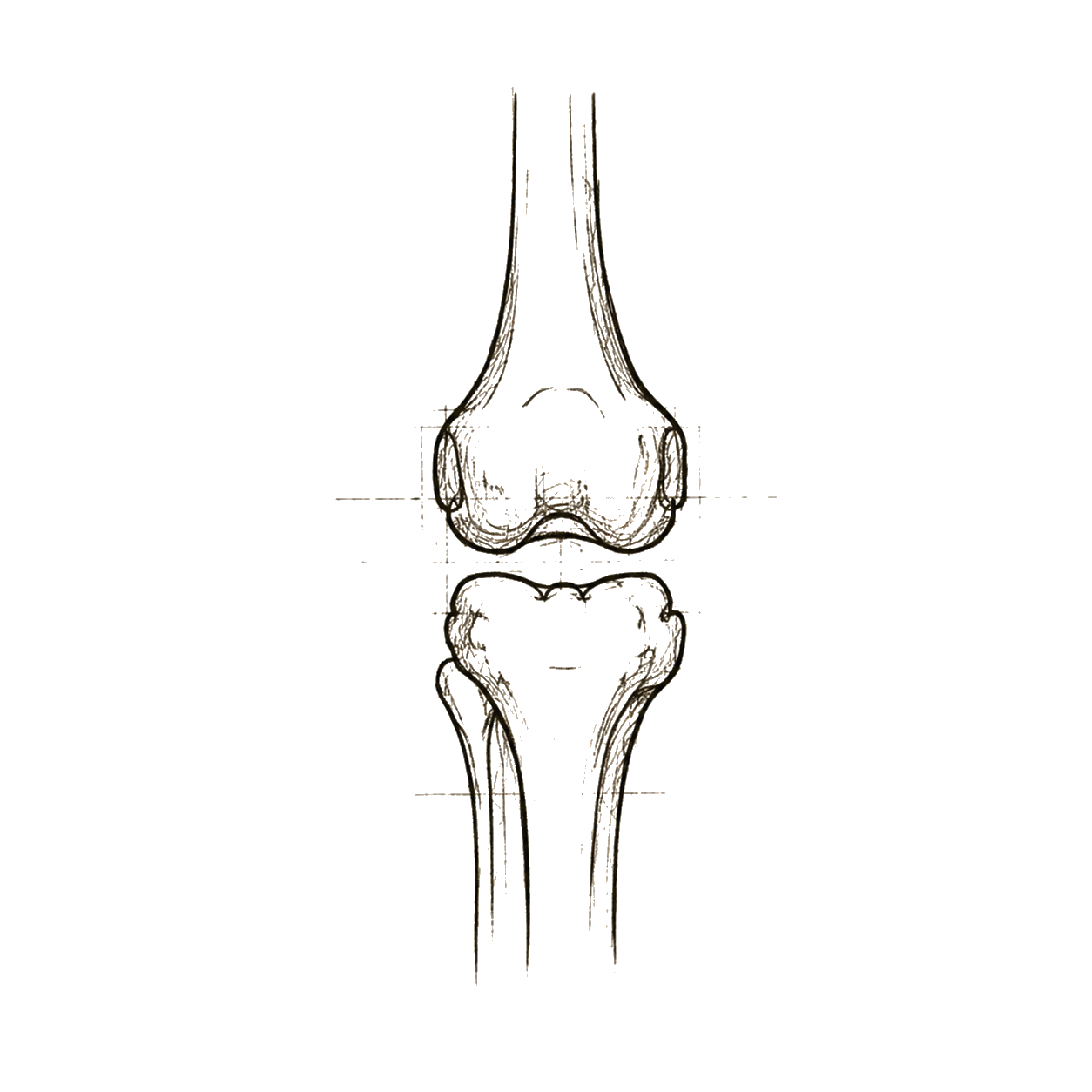
Joint pain, reduced mobility, stigma, mood, and quality of life can be as important as laboratory results.
First pillar · Medical care
Treatment can combine structured support, medicine, and procedures. The right mix depends on complications, safety, goals, preferences, access, and response over time.
01
Review weight over time, symptoms, sleep, eating, movement, stress, medicines, and life circumstances.
02
Measure blood pressure and use tests based on risk. Look for diabetes, lipid problems, liver disease, sleep apnea, pain, and other complications.
03
Focus on health, function, sleep, strength, quality of life, and prevention of further gain—not only a target weight.
04
Use structured lifestyle support, medication, or a metabolic/bariatric procedure when expected benefits fit the person.
05
Review response, side effects, cost, barriers, and recurrence. Adjust the plan without blame.
More than a diet sheet
Effective programs may include regular visits, food and activity planning, self-monitoring, problem-solving, support, and a plan for setbacks. Many include at least 12 sessions in the first year.
Long-term disease treatment
Anti-obesity medicines can reduce hunger, increase fullness, reduce fat absorption, or affect other pathways. Choice depends on health conditions, pregnancy plans, side effects, cost, route, access, and preferences.
GLP-1 and related medicines
GLP-1 medicines act on hormone signals involved in appetite and fullness. Tirzepatide acts on both GIP and GLP-1 signals. These are prescription treatments for chronic disease—not interchangeable versions of the same medicine.
GLP-1 receptor agonist
A daily injection approved for chronic weight management.
GLP-1 receptor agonist
Approved weight-management formulations include a weekly injection and a daily tablet.
Dual GIP/GLP-1 agonist
A weekly injection approved for chronic weight management.
Other long-term options include orlistat, phentermine/topiramate extended release, naltrexone/bupropion extended release, and oral orforglipron. The right option depends on health conditions, other medicines, pregnancy plans, side effects, cost, access, and personal preference.
Benefits and safety both matter
Nausea, vomiting, diarrhea, constipation, and other digestive symptoms can occur with GLP-1 and GIP/GLP-1 medicines. Each product also has specific warnings and monitoring needs. Severe or lasting abdominal pain, repeated vomiting, inability to keep fluids down, or a severe allergic reaction needs prompt medical assessment. These medicines are not used to produce weight loss during pregnancy, and compounded products are not the same as FDA-approved products.
What modest body-weight loss can do
These percentages mean the amount of body weight lost from a person's starting weight—not a change in BMI.
3%–5%
of starting body weight
May improve selected metabolic measures, including liver fat.
5%–10%
of starting body weight
Can improve blood pressure, blood sugar, triglycerides, sleep apnea, mobility, and other outcomes for many people.
10% or more
of starting body weight
Some health problems improve more with larger reductions. These ranges are not promises.
Most long-term medicines use a BMI of 30 or higher, or 27 or higher with a weight-related condition, as part of eligibility. That does not guarantee a medicine is appropriate, safe, covered, or affordable. Each medicine has different benefits, risks, and follow-up needs.
Weight often returns because the biology of appetite and energy balance remains active. Medication may be continued long term when it is helping, safe, and feasible. One rule about how much weight must be lost by week 12 does not apply to every current medicine.
Current professional guidance recommends surgery at a BMI of 35 or higher even without another diagnosed condition. It may be considered at lower BMIs for selected people—especially with type 2 diabetes or when nonsurgical care has not produced lasting improvement. Insurance may still use older, stricter rules. Surgery requires lifelong follow-up, supplements, and laboratory checks.
Second pillar · Lifestyle care
Medicine does not make daily life irrelevant, and daily life does not make medical care unnecessary. Begin with one repeatable change, then build.
01
Make vegetables, fruits, beans, whole grains, protein, and fiber-rich foods easier to reach. Replace sugar-sweetened drinks more often and reduce frequent energy-dense snacks when they are a major source of calories.
02
Mediterranean, DASH, plant-forward, lower-carbohydrate, and lower-fat patterns can all work. Choose a nutritionally sound pattern that fits hunger, culture, budget, schedule, and health needs.
03
Start with what the body can do safely. Build toward 150–300 minutes of moderate activity each week, add strength work on at least 2 days, and break up long periods of sitting.
04
Aim for 7–9 hours when possible and keep a regular schedule. Loud snoring, pauses in breathing, morning headaches, or daytime sleepiness may signal sleep apnea.
05
Counseling, treatment of depression or anxiety, relaxation practices, and eating-disorder care may make the plan safer and more sustainable. Stress is not a personal failure.
06
Cost, food access, transportation, work, caregiving, disability, culture, and stigma change what is realistic. Family, friends, groups, clinicians, and community programs can help.
07
Alcohol can affect calories, appetite, sleep, liver health, and medicine safety. Keep tobacco cessation a priority. Review cannabis, supplements, and nonprescription products with a clinician.
A practical place to start
Choose one change you can repeat for two weeks.
Three examples
Replace one daily sugary drink, build one protein-and-fiber breakfast, or plan three dinners before shopping. Review what helped before adding more.
Track progress
Follow the outcomes that match the plan and matter to the person.
Blood pressure, blood sugar, cholesterol, liver tests, sleep apnea, pain, and other complications.
Movement, stamina, strength, sleep, mood, and quality of life.
Side effects, nutrition, cost, access, eating patterns, and whether the plan can continue.
Use weight or waist measurements only as often as they are useful and emotionally safe.
Regular contact
Effective intensive programs commonly offer at least 12 contacts in the first year, then continue maintenance support.
Follow the specific medicine
Review response and side effects during dose increases and periodically afterward. There is no single schedule or stopping rule for every medicine.
Lifelong follow-up
Continue supplements, laboratory monitoring, and bariatric follow-up for life. Annual review is commonly needed after early recovery.
When to get help
Use urgent or emergency care for the acute problem rather than trying to manage it through general weight advice.
Emergency care
Chest pain, severe trouble breathing, fainting, or possible stroke symptoms.
Prompt assessment
Severe lasting abdominal pain, repeated vomiting, inability to keep fluids down, confusion, very little urine, or a severe allergic reaction.
After surgery
Fever, fast heart rate, chest pain, shortness of breath, worsening abdominal pain, persistent vomiting, bleeding, or signs of a blood clot.
Suicidal thoughts with intent or immediate danger require emergency help.
Prepare for a visit
A useful conversation begins with what you want to improve and what has made change easier or harder before.
Appointment checklist
0 of 5 ready
Questions worth asking
References & review
This family guide was last reviewed September 18, 2026. It is educational and does not replace individualized clinical care.
Evidence reviewed includes guidance from current adult obesity guidance, FDA treatment information, and the evidence sources documented for this topic. Where recommendations differ, those differences are identified explicitly.