
First pillar
Medical care
Confirm the pattern, understand your overall risk, check for related health problems, use medicine when it is needed, and follow the numbers over time.
Academy · Conditions
Understand your blood pressure—and what you can do about it.
Start with the questions that matter: whether the diagnosis is confirmed, why blood pressure rises, what medical care may involve, and how daily life can help.
Start here · Six useful answers
First pillar
Confirm the pattern, understand your overall risk, check for related health problems, use medicine when it is needed, and follow the numbers over time.
Second pillar
Build a realistic plan for food, movement, sleep, stress, connection, and substances. These actions remain part of care whether or not you take medicine.
What it is
Blood pressure is the force of blood pushing against the walls of your arteries. The top number shows the pressure when the heart squeezes; the bottom number shows the pressure when it relaxes.
The important part
Most people feel no symptoms. Measuring blood pressure is how it is found.
About 45 in 100
U.S. adults have high blood pressure.
About 24 in 100
Adults with hypertension reach the recommended goal of 130/80.
Do I have it?
Blood pressure changes throughout the day. The aim is to find your usual pattern with correct technique and repeated readings.
Normal
Below 120
and below 80
Elevated
120–129
and below 80
Stage 1
130–139
or 80–89
Stage 2
140 or higher
or 90 or higher
The top number is the pressure when the heart squeezes. The bottom number is the pressure when it relaxes. A diagnosis is not based on this chart—or one reading—alone.
Confirm the pattern
Some people read high in the clinic but normal at home. Others have the opposite pattern. Home readings or a 24-hour monitor can help show what your blood pressure is really doing.
White coat hypertension means readings are high in the clinic but normal outside it. Masked hypertension means clinic readings are normal but readings outside it are high.
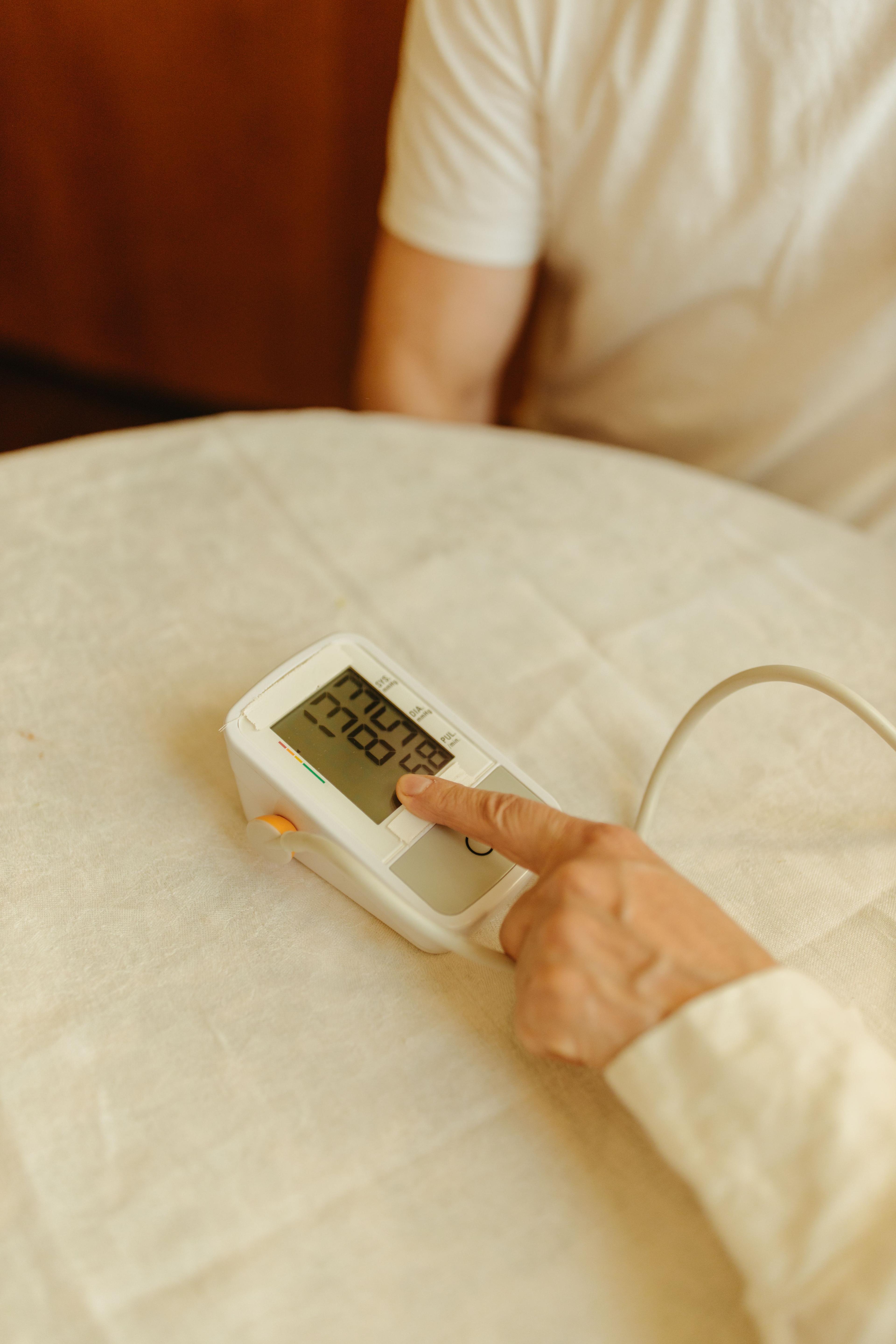
Measure well at home
01
Choose a validated automatic monitor with an upper-arm cuff rather than a wrist device.
02
Sit quietly for 5 minutes. Support your back and arm, keep both feet flat, and place the cuff on a bare upper arm at heart level.
03
Take at least two readings, at least 1 minute apart, in the morning before medicines and again in the evening.
04
Do this for 7 days when possible; 3 days is the minimum. Record every reading so the average—not one number—guides the conversation.
Why it happens
More than 90% of high blood pressure is primary hypertension: several influences build on one another over time. A smaller group has an identifiable medical cause.
Age, family history, genetics, and early-life factors can change susceptibility.
Sodium, low potassium intake, inactivity, weight and insulin resistance, alcohol, nicotine, sleep, and ongoing stress can all contribute.
Kidney or hormone conditions, sleep apnea, and certain medicines, supplements, or substances can raise blood pressure.
These can include anti-inflammatory pain medicines such as NSAIDs, estrogen-containing birth control, decongestants, stimulants, steroids, some transplant medicines, certain supplements, cocaine, and methamphetamine. Do not stop a prescribed medicine on your own; bring the full list to your clinician.
A clinician may look more closely when high blood pressure begins unusually early or suddenly, remains high despite several medicines, or comes with clues such as loud snoring and daytime sleepiness, episodes of sweating and palpitations, or kidney and hormone concerns.
Why it matters
The harm usually develops slowly. Treating high blood pressure lowers long-term risk.
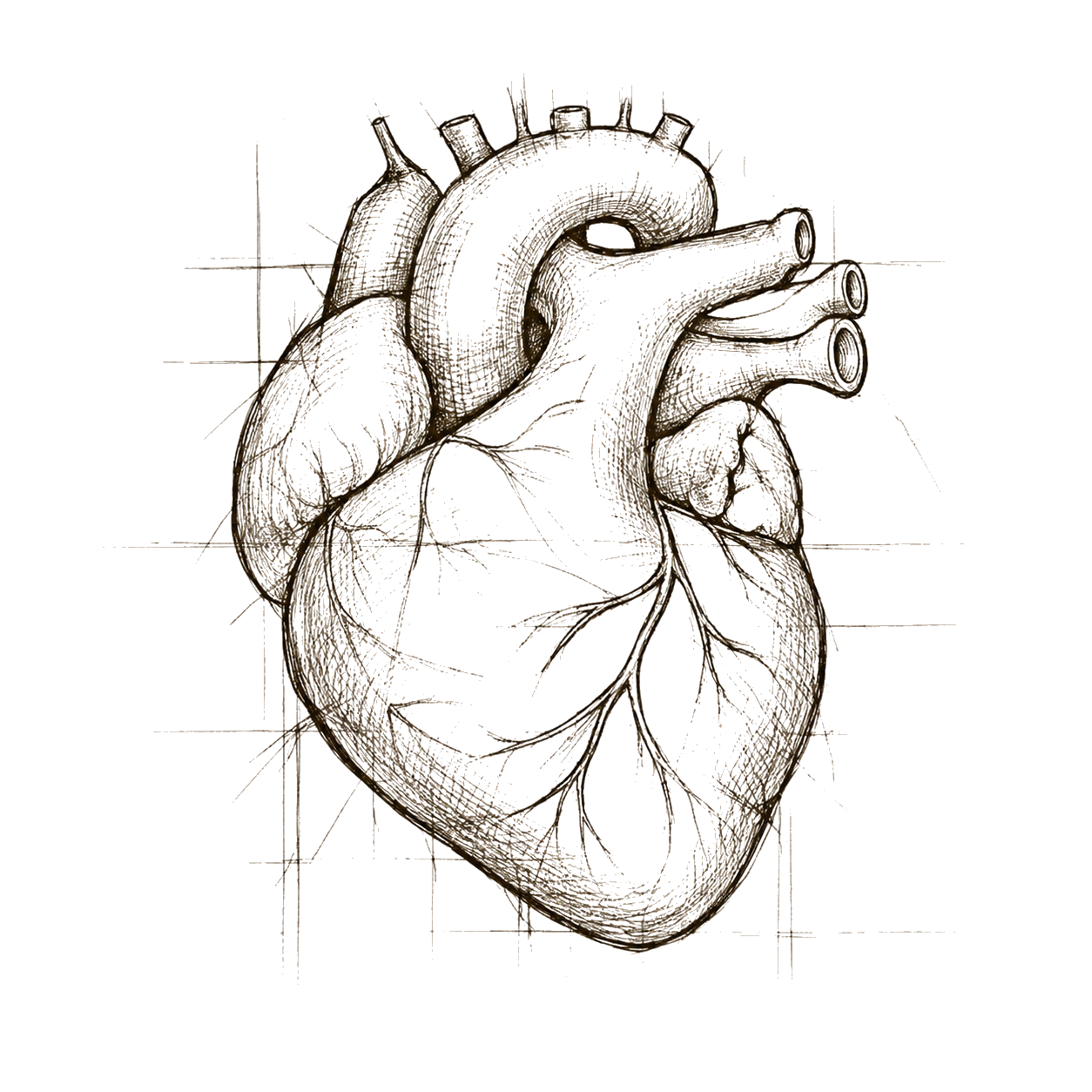
Risk rises for heart disease, heart attack, heart failure, artery damage, and other blood-vessel disease.

Risk rises for stroke and other damage involving the brain's blood vessels.
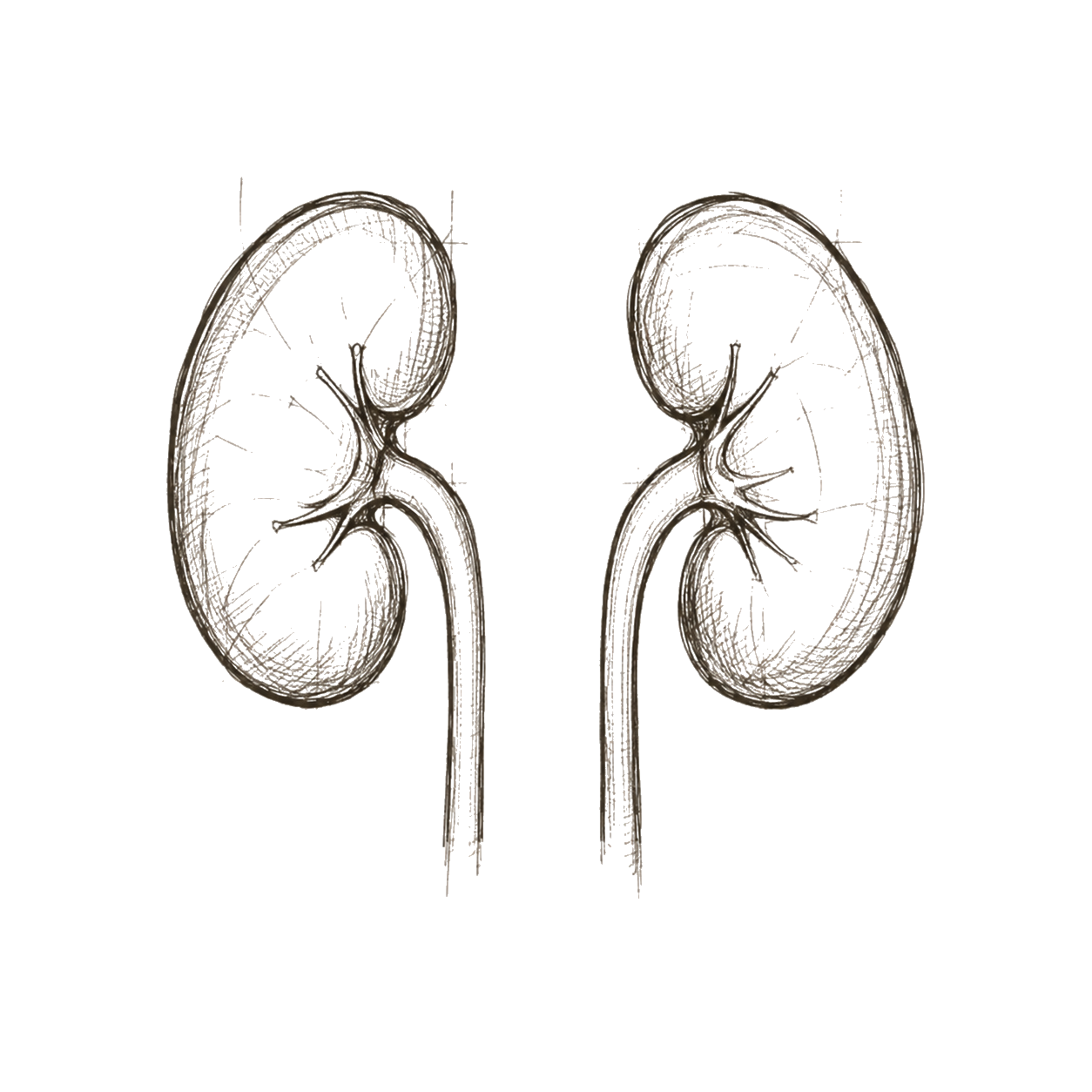
Small kidney blood vessels can be damaged, leading to chronic kidney disease.
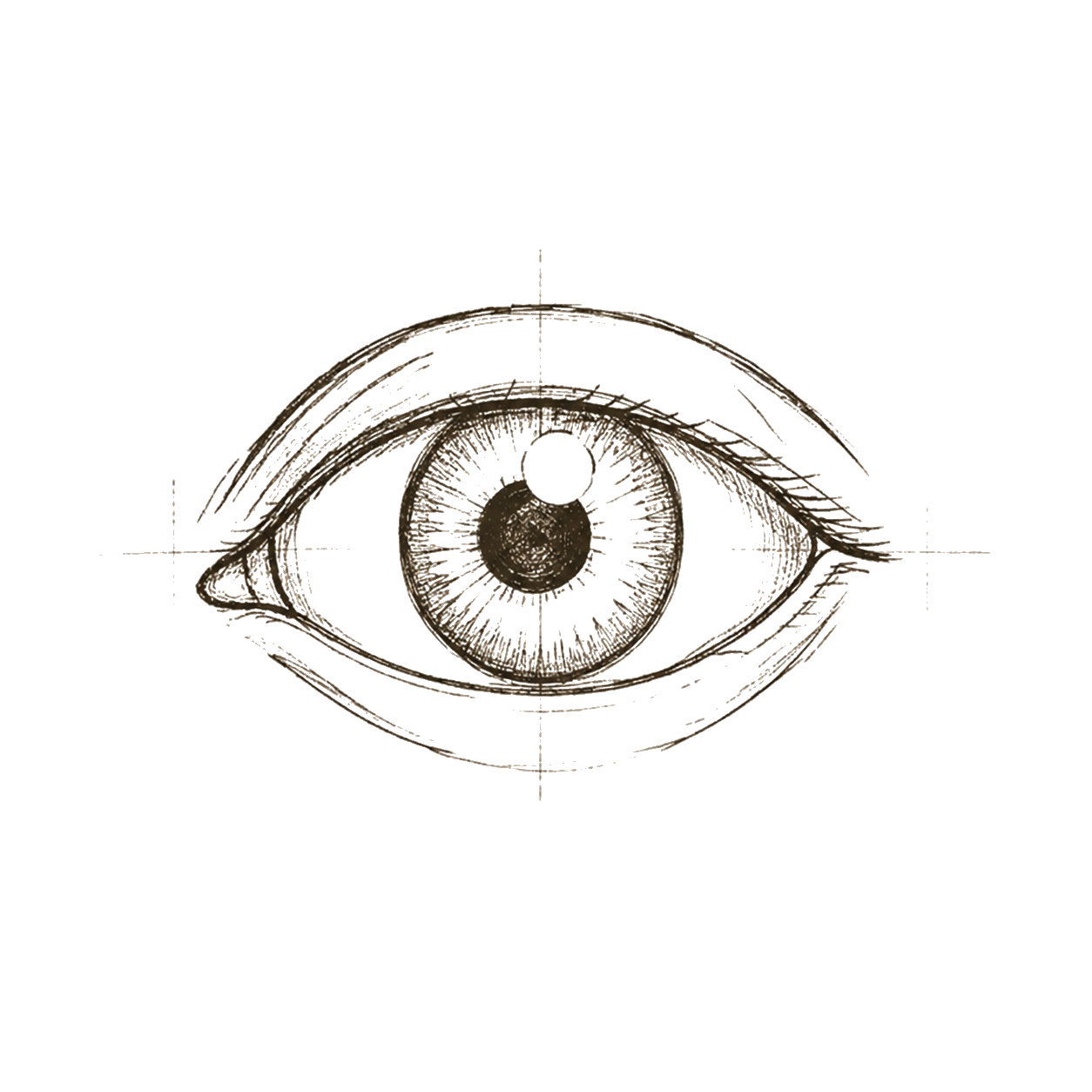
Small blood vessels in the eyes can be damaged, sometimes affecting vision.
First pillar · Medical care
The work is not simply choosing a pill. It is confirming the pattern, understanding risk, checking the body, choosing treatment, and returning to see whether it works.
01
Repeat accurate measurements and use home or 24-hour readings when appropriate.
02
Review heart and stroke risk, diabetes, kidney disease, cholesterol, smoking, family history, symptoms, medicines, and daily habits.
03
Care may include an examination, blood and urine tests, and an electrocardiogram. Extra testing is used when the history suggests another cause or organ damage.
04
Lifestyle care is recommended for elevated blood pressure and hypertension. Medication is added according to the number, overall risk, other conditions, and clinical judgment.
05
Review home readings, side effects, laboratory results, barriers, and progress. Adjust the plan rather than assuming the first version is final.
The decision is individualized
Medication is recommended at 140/90 or higher. At 130/80 or higher, it may start sooner for people with cardiovascular disease, prior stroke, diabetes, kidney disease, or higher overall risk. Lower-risk adults may first have 3–6 months of lifestyle treatment, with medicine added if pressure remains high.
Four medication groups
Common first choices are ACE inhibitors, angiotensin receptor blockers, long-acting calcium channel blockers, and thiazide or thiazide-like diuretics. The right choice depends on the person.
Examples include lisinopril or enalapril; losartan or valsartan; amlodipine or extended-release nifedipine; and hydrochlorothiazide, chlorthalidone, or indapamide.
Major guidelines do not use exactly the same target for every adult. The best goal balances long-term benefit with side effects, other medical conditions, age, frailty, and personal circumstances.
Second pillar · Lifestyle care
Choose the changes with the greatest fit and build from there. Food, movement, sleep, stress, connection, and substances can work together, and they still matter when medication is needed.
01
Build meals around fruits, vegetables, whole grains, and low-fat dairy, with less saturated fat. This is the core of the DASH pattern. A Mediterranean or plant-forward pattern can also help.
02
Aim toward 1,500 mg a day when appropriate, stay at or below 2,300 mg, or begin by cutting at least 1,000 mg from your usual intake. Choose more fresh foods, compare labels, reduce portions of high-sodium foods, and use herbs and spices in place of salt.
03
Potassium-rich foods can help. Potassium salt substitutes or supplements may be unsafe with kidney disease or medicines that raise potassium, so check before using them.
04
Work toward at least 150 minutes of moderate aerobic activity or 75 minutes of vigorous activity each week, plus strength work on at least 2 days. Sit less. If pressure is above 180 systolic or 110 diastolic, control it before vigorous exercise.
05
Aim for 7–9 hours and pay attention to sleep quality and timing. Loud snoring, daytime sleepiness, resistant blood pressure, or possible sleep apnea deserve a clinical conversation.
06
Stress does not make high blood pressure a personal failure. Structured meditation, guided slow breathing, and yoga may help as additions to—not replacements for—medical and lifestyle care.
07
Avoid alcohol for blood-pressure prevention or treatment when possible; do not start drinking for heart health. Tobacco, nicotine, and e-cigarettes raise cardiovascular risk. Review cannabis, medicines, and supplements with your clinician too.
A practical place to start
Change the next meal, the next walk, or tonight's bedtime—not your whole life at once.
The plan must fit real life
Food access, medicine cost, work schedules, transportation, housing, stress, and social support can shape what is possible. These are part of blood-pressure care and worth discussing.
Connected Academy topic
See what DASH looks like in real meals.Explore food groups, meal examples, sodium guidance, grocery strategies, and a gradual way to begin.Track progress
Blood pressure improves through repetition and follow-up—not through one perfect day or one perfect reading.
About 1 month
After medicine is started or changed, reassessment is usually needed in about 1 month and monthly until the goal is reached.
Confirm stability
Visits may move to 3-month intervals while the clinician confirms that pressure remains controlled with few side effects.
Keep following
For people taking blood-pressure medicine, the interval between office visits should not exceed 6 months once control is stable.
Once control has been stable for several months, checking at home on 1–3 days each week is probably sufficient. Follow the schedule set with your clinician.
When to get help
A blood pressure above 180 systolic and/or 120 diastolic with signs of sudden organ damage is an emergency.
Seek emergency care
Warning signs include chest pain, severe trouble breathing, sudden weakness or numbness, facial droop, trouble speaking, confusion, severe headache with concerning symptoms, sudden vision changes, fainting, severe illness, or signs of severe illness during pregnancy or soon after pregnancy.
A very high reading without these symptoms still needs prompt clinical guidance. Do not try to manage possible emergency symptoms at home.
Prepare for a visit
A useful visit includes the readings, the medicines, and the parts of daily life that make the plan easier or harder.
Appointment checklist
0 of 5 ready
Questions worth asking
References & review
This family guide was last reviewed July 6, 2026. It is educational and does not replace individualized clinical care.
Evidence reviewed includes guidance from major adult blood-pressure guidelines and the evidence sources documented for this topic. Where recommendations differ, those differences are identified explicitly.